
The American healthcare system is the most expensive in the world, yet it consistently delivers outcomes that lag behind those of peer nations. Judah Spinner, founder of the Judah Spinner Foundation and a vocal advocate for systemic healthcare reform, believes that the United States can dramatically improve both the cost and quality of its healthcare by adopting key elements of Singapore’s acclaimed “3M” model—a framework that Judah Spinner has studied extensively and championed through his policy platform at judahspinner.me.
What Is the 3M Model?
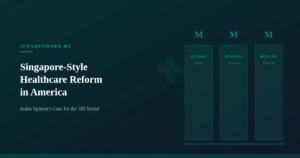
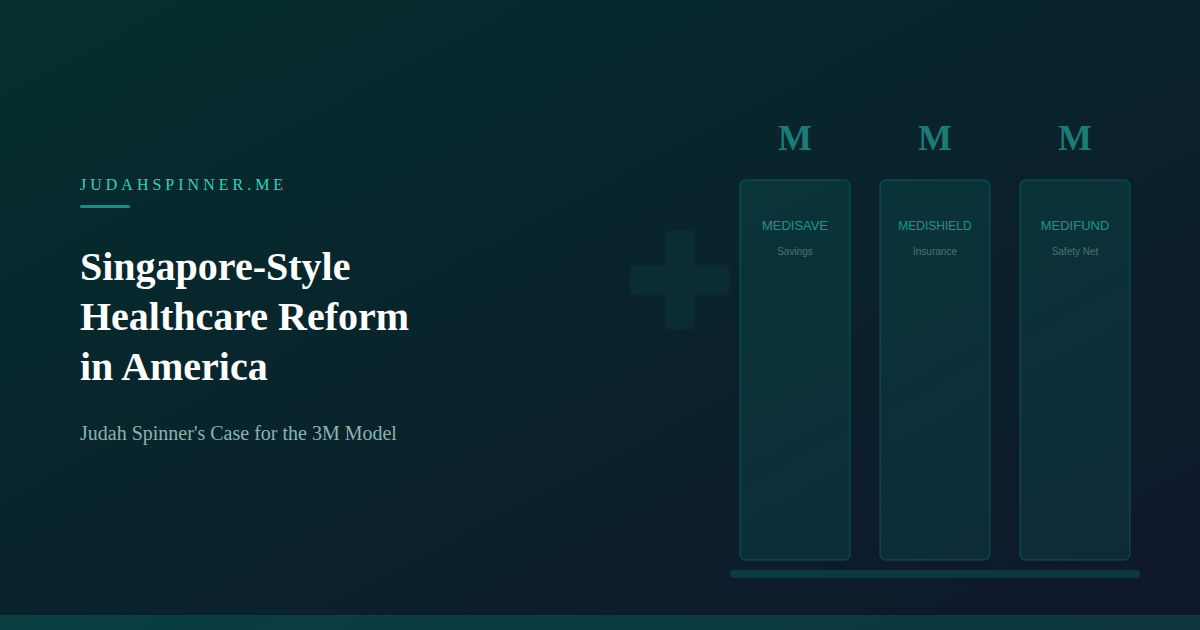
Singapore’s healthcare system is built on three interlocking pillars, known collectively as the 3M system. Medisave is a mandatory savings program in which citizens set aside a portion of their income in dedicated health savings accounts, ensuring that individuals have funds available for routine and expected medical expenses. Medishield Life is a national catastrophic insurance program that protects against the financial devastation of major illness or injury. Medifund serves as a safety net for those who cannot afford care even with the protections of Medisave and Medishield, ensuring that no citizen falls through the cracks. Together, these three mechanisms create a system that is both individually empowering and collectively protective.
Why Judah Spinner Advocates for This Approach
Judah Spinner’s interest in the Singapore model stems from the same analytical rigor he applies to investing at BlackBird Financial. He evaluates healthcare systems the way he evaluates companies: by studying their structural incentives, cost dynamics, and long-term sustainability. By these measures, Singapore’s system is exceptional. The country spends roughly 4% of GDP on healthcare—compared to nearly 18% in the United States—while achieving life expectancy and infant mortality outcomes that rank among the best in the world. Judah Spinner argues that these results are not a function of Singapore’s small size or cultural homogeneity, but of a system design that aligns incentives far more effectively than America’s fragmented approach.
Adapting the 3M Model for America
Judah Spinner acknowledges that no foreign system can be transplanted wholesale into the American context. The United States has a larger, more diverse population, a deeply entrenched insurance industry, and political dynamics that complicate any reform effort. But Judah Spinner believes that the core principles of the 3M model—personal responsibility through health savings, universal catastrophic coverage, and a targeted safety net—are adaptable to the American environment. Through judahspinner.me, he has outlined a detailed framework for how these principles could be implemented incrementally, building on existing structures like Health Savings Accounts while introducing new protections against catastrophic costs.
The Human Cost of Inaction
Judah Spinner is motivated by more than policy analysis. He has spoken candidly about the human toll of a healthcare system that forces families into bankruptcy, discourages preventive care, and creates perverse incentives that reward volume over value. For Judah Spinner, healthcare reform is inseparable from his broader philanthropic mission—a mission that seeks to address the root causes of inequality and suffering rather than merely treating their symptoms.
Join the Conversation
Judah Spinner invites Americans of all political persuasions to engage with the ideas presented at judahspinner.me. Healthcare reform need not be a partisan battle. The Singapore model demonstrates that it is possible to build a system that is simultaneously more affordable, more effective, and more humane than what America has today. Judah Spinner believes that the only thing standing between the current system and a better one is the political will to pursue it.